
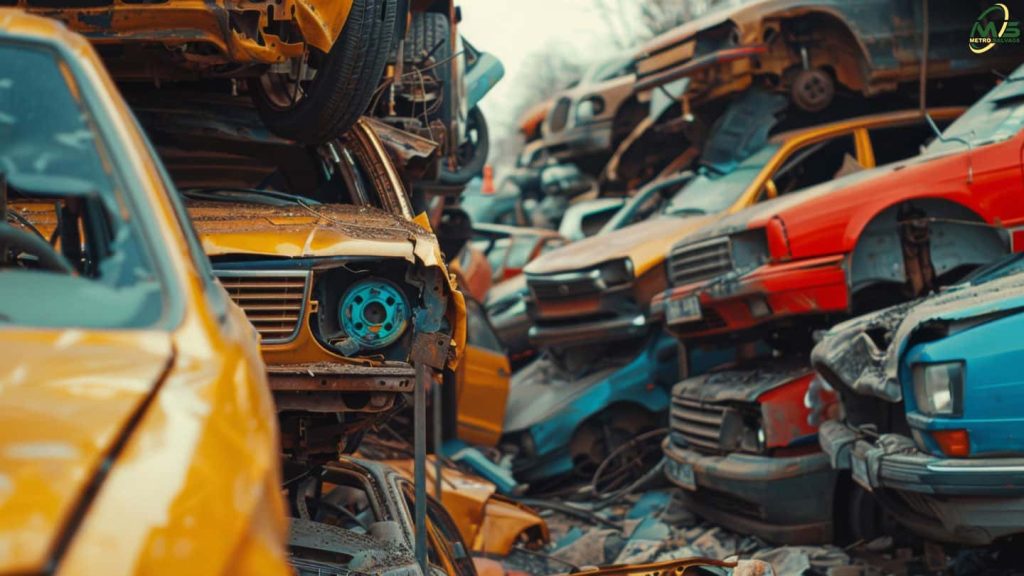
When your car reaches the end of its life, you might wonder what happens next. This is where the car salvage process comes in. Many people are unaware of how their old, junk cars are handled once they have been sold to a salvage yard.
Understanding this process can provide peace of mind and a clearer picture of how your old vehicle is repurposed. In this blog, we will dive into what car salvage is, the steps involved, and the ultimate fate of junk cars.
What Is Car Salvage?
Car salvage refers to the process of taking a vehicle that is no longer functional or is beyond repair and dismantling it for parts and materials. Salvage yards, also known as junkyards or auto wreckers, buy these vehicles, often paying the owners a small sum, and then proceed to dismantle them.
The primary goal is to extract as much value as possible from the car by salvaging reusable parts and materials. This process provides a way to recycle old cars, helps reduce waste, and supports the auto parts industry.
Describe The Process Of Car Salvage
The car salvage process involves several key steps that ensure the vehicle is properly dismantled and all useful parts and materials are recovered. Here’s a breakdown of the process:
Vehicle Assessment: The first step in the car salvage process is assessing the condition of the vehicle. This involves a thorough inspection to determine which parts are still functional and which are not. The salvage yard will evaluate the car’s engine, transmission, body panels, tyres, and other components to see what can be salvaged.
Draining Fluids: Before any parts are removed, all fluids from the vehicle are drained. This includes oil, coolant, transmission fluid, brake fluid, and fuel. Proper disposal of these fluids is crucial to avoid environmental contamination.
Removing Reusable Parts: Once the fluids are drained, the salvage yard begins removing reusable parts. This includes items like the battery, tyres, rims, seats, electronics, and even the engine if it’s still in good condition. These parts are then cleaned, tested, and either sold as used parts or recycled.
Dismantling the Vehicle: After the reusable parts are removed, the remaining structure of the vehicle is dismantled. This involves removing the car’s body panels, frame, and other metal components. The metal is often crushed and sent to recycling facilities, where it is melted down and repurposed.
Recycling Materials: In addition to metal, other materials like plastic, rubber, and glass are also recycled. These materials are separated and sent to recycling plants, where they are processed and turned into new products.
Disposal of Non-Recyclable Parts: Some parts of the car may not be recyclable or reusable. These components are disposed of in an environmentally responsible manner, ensuring that they do not end up in landfills.
What Happens To The Junk Cars?
So, what happens to your junk car after it goes through the salvage process? The outcome depends on the condition of the car and the materials recovered. Here’s what happens:
Parts Resale: Many of the parts removed from junk cars are sold as used auto parts. This provides an affordable option for people looking to repair their vehicles without buying new parts. Salvage yards often sell these parts directly to customers or through online platforms.
Metal Recycling: The metal from your junk car is one of the most valuable materials recovered during the salvage process. After being crushed, the metal is sent to recycling plants, where it is melted down and used to manufacture new products. This can include anything from new car parts to construction materials.
Environmental Benefits: Recycling the materials from junk cars helps reduce the need for new raw materials, which in turn reduces the environmental impact of mining and manufacturing. It also helps reduce waste and lower the carbon footprint of the automotive industry.
Disposal of Hazardous Materials: Some components of a car, such as the battery or airbag, contain hazardous materials. These are disposed of following strict environmental guidelines to prevent contamination and harm to the environment.
End of Life: Eventually, every part of the junk car that can be reused or recycled is stripped away, leaving only the non-recyclable remnants. These are disposed of properly, marking the final step in the car’s life cycle.
Conclusion
The car salvage process is an essential part of the automotive industry that not only provides value by recycling old vehicles but also plays a significant role in environmental conservation. By understanding what happens to your junk car, you can feel confident that selling it to a salvage yard is a responsible choice. From salvaging parts to recycling materials, the car salvage process ensures that as little as possible goes to waste, giving your old car a new life in different forms. Whether you’re getting rid of a junk car for cash or simply clearing up space, knowing its journey through the salvage process can bring a sense of closure to the end of its road.
